Low-GHG methane faces key challenges
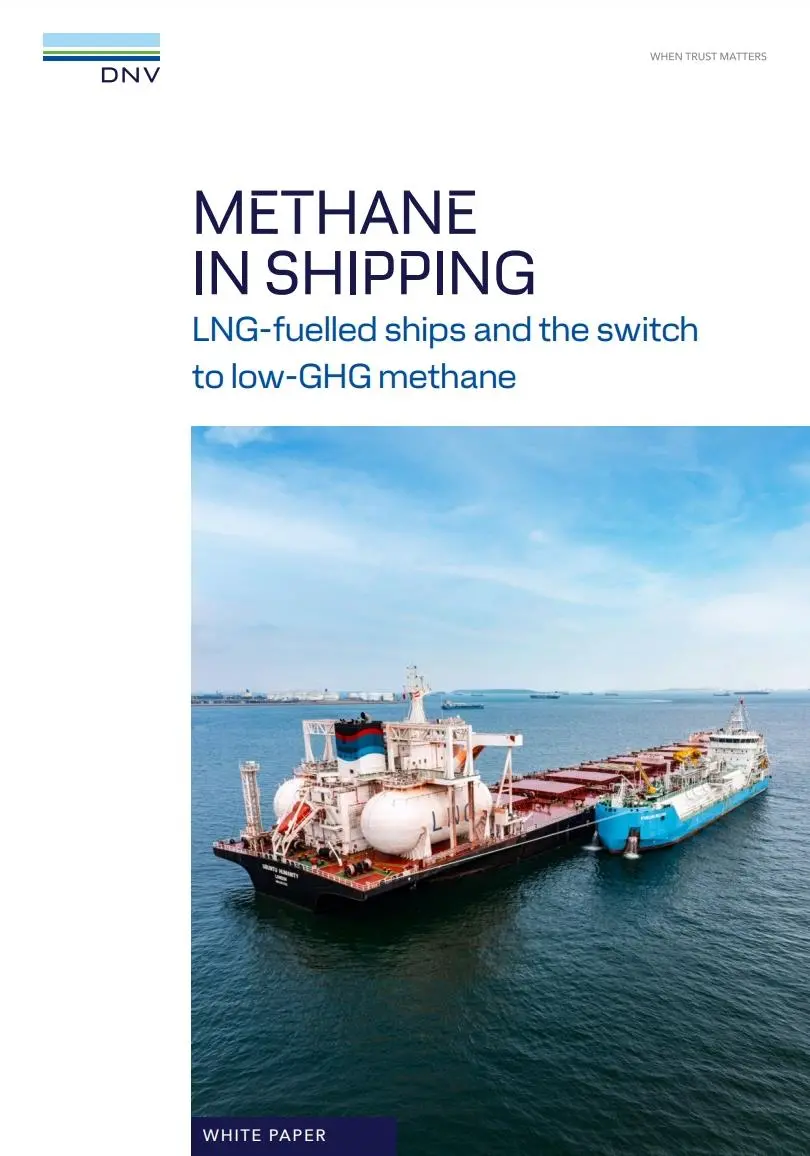
In its latest white paper, ‘Methane in Shipping: LNG fuelled ships and the switch to low GHG methane’, DNV outlines how bio-methane and e-methane could provide a lower-emissions alternative to conventional LNG. With around 800 LNG-capable vessels already in operation and a further 600 on order, the sector benefits from established infrastructure, proven safety standards and decades of operational experience.
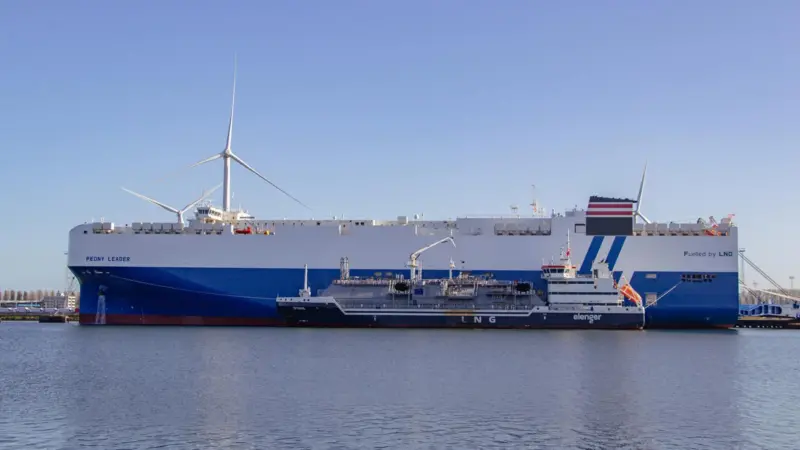
Low-GHG methane is chemically identical to LNG, allowing it to be used as a drop-in fuel without requiring major modifications to engines, tanks or bunkering systems. Existing global LNG infrastructure, which has expanded significantly in recent years, is already compatible with these fuels, offering a practical pathway for decarbonisation.
“LNG to low-GHG methane is one viable pathway among several and its role will vary by segment and trading pattern,” said Cristina Saenz de Santa Maria, interim chief executive at DNV Maritime.
“As fuel standards and certification systems continue to develop across markets, owners can benefit from evaluating how different options align with their routes, exposure to regulation, and long-term fleet plans. Building flexibility into fuel strategies, supported by strong energy efficiency measures, remains essential for managing both operational performance and regulatory costs in the years ahead.”
Despite its advantages, several barriers remain. A lack of globally harmonised rules on chain of custody models, such as mass balancing or book and claim, continues to create uncertainty for shipowners and may restrict access to low-GHG fuels.
Cost is another significant challenge. Current prices for liquefied bio-methane remain substantially higher than fossil LNG, although this gap can narrow under certain regulatory conditions.
Øyvind Sekkesæter said policy mechanisms could influence competitiveness. “Although low-GHG methane remains more expensive than fossil fuels, GHG related regulatory costs can significantly reduce the effective price gap,” he said.
“In specific cases, such as EU–EU voyages from Rotterdam, liquefied biomethane has been reported as cost competitive with fossil fuel oil once EU ETS and FuelEU Maritime mechanisms are accounted for, but this is not representative of the global picture where the overall cost remains high.”
Looking ahead, DNV projects that demand for low-GHG methane could reach between 2 and 11 million tonnes by 2040 under current EU regulations, rising significantly if stricter global measures are adopted.
However, securing sufficient supply will depend on shipping’s ability to compete with other sectors for limited volumes, reinforcing the importance of clear regulation and strong market incentives.