Opex needs greater consideration in bilge choices
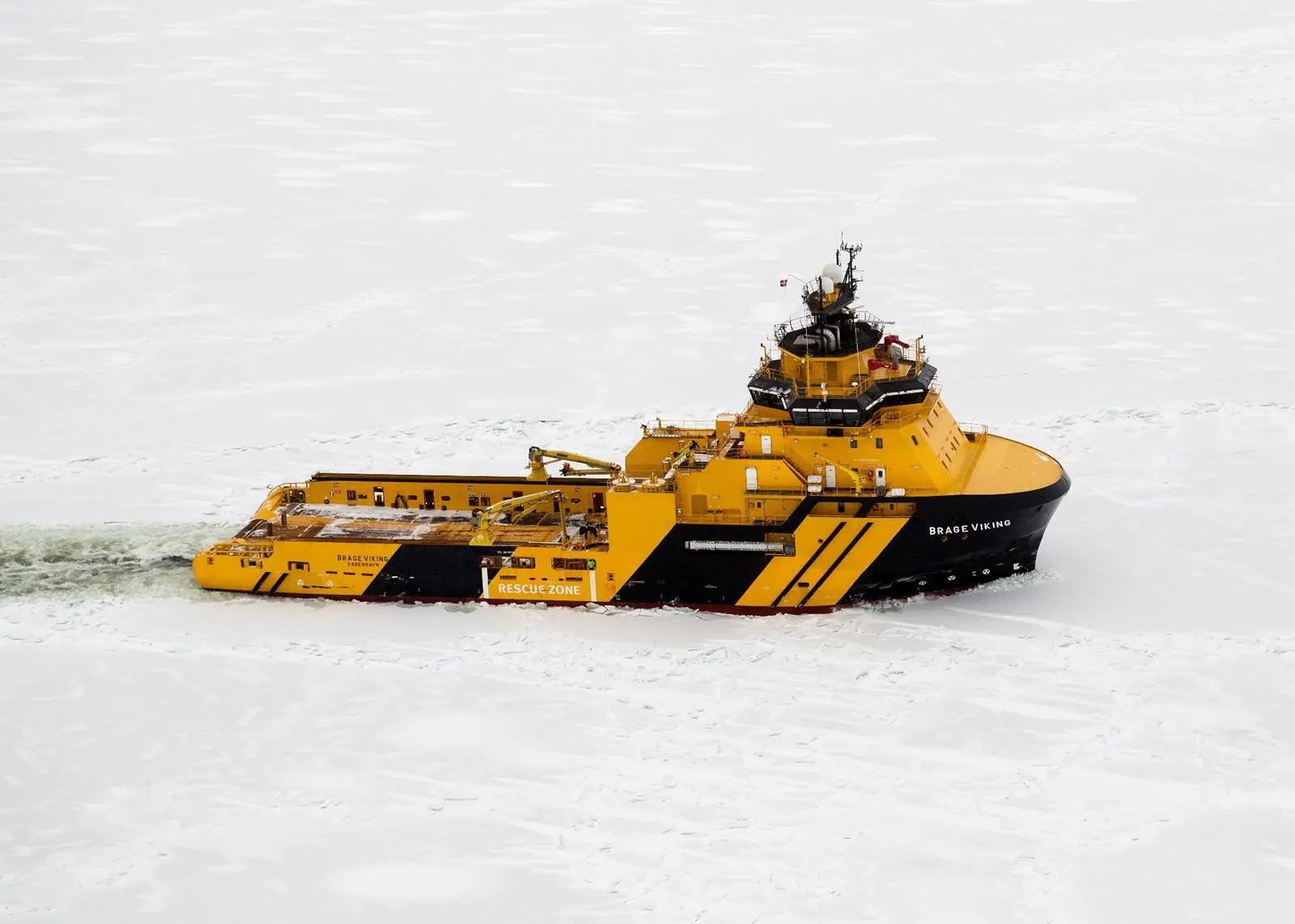
Lars Holmberg listened to his crews when deciding how to fix the bilge water problems experienced by the vessels he manages. Mr Holmberg is technical director for Viking Supply Ships and he is currently upgrading the oily water separators on a number of vessels, largely based on suggestions made by crew members.
The systems were going into recirculation too often, frustrating the crew and causing a discharge problem. “In Norway and Scandinavia it is expensive to put a lot of waste water ashore,” he says. “We have decided to include a clean bilge water tank so we can use the bilge water separator when we are in harbour because we believe that is the best environment for the equipment, when the vessel is very stable.” The cleaned water is then discharged when the vessels are at sea, and Mr Holmberg has installed Marinfloc’s Whitebox to ensure the quality of the water meets the required environmental standards.
Other changes that are being made include the addition of settling tanks and a heating system set up inline before the oily water separators (OWS). Emulsion breaking chemicals will also be added. “Of course you have to have a motivated crew who use the equipment in the right way and if they have a problem, ask,” says Mr Holmberg. The crew have received training on the equipment. “It is to their benefit, if they use it correctly.”
Mr Holmberg is very positive about how Marinfloc’s Enviropilot software benefits the crews and has now installed it on two vessels. The Enviropilot system is connected to the vessel’s GPS to give the crew live updates regarding the applicable local and international regulations for bilge water for their location at sea. The system also provides this information for sewage, grey water, garbage, food waste, oil in slop tank, ballast water exchange, incinerator and sulphur emissions at the current position.
There are several different technologies available for treatment of bilge water and there are big differences in price, says Niclas Karlsson, managing director of Clean Ship Scandinavia who has assisted Mr Holmberg and others in assessing their technological options. “For newbuildings the yards are always looking for the lowest price and not to the performance or operational cost. When selecting an OWS, I think more owners should consider: 1. can the separator handle a chemical emulsion or is a pre-treatment with breaking of emulsion needed, 2. the operational cost, i.e. the cost per treated m3, including consumables such as filters, 3. the performance of the separator and also, 4. if the separator can handle the chemicals used on board in the engine room.”
Emulsions are a particularly important consideration. “A mixture of HFO/Fresh water/Surfactant/Iron Oxides called Test Fluid C was introduced in the revised IMO Resolution MEPC.107(49) which came in effect as of 1 January 2005. However the test with Fluid C is only 150 minutes long and unfortunately many of the separators on the market are designed to comply with MEPC.107(49) and not to shipboard conditions.” The tests for MEPC.107(49) takes approximately nine hours and 18 samples, he says. For a sewage treatment plant, at least 10 days testing and 40 samples are required, and for a ballast water treatment system there are onshore and on board tests that take 6-18 months.
Dr Jason A. Caplan, president and CEO of system manufacturer EnSolve Biosystems agrees that yards are mainly interested in provided the least expensive piece of equipment that meets the minimum requirements of the shipowner. “Unfortunately, the shipowner is often left to face the consequences of an inefficient and expensive-to-operate system.” He claims the PetroLiminator OWS system is priced between the low end coalescing/filter systems and the high end centrifuge/flocculation systems. After 13 years of experience, data shows that the PetroLiminator system is about two to six times less costly to operate than these other systems. “We even offer an operating cost guarantee program which locks in the consumables prices for the entire year so the customer does not face any unpleasant surprises in consumables costs. The payback for a PetroLiminator OWS system compared to a low-end OWS system is often under a year. The real savings are realized from Year 2 on. The payback is immediate compared to a centrifuge or flocculation type of system.”
PSM argue that bilge level switches are another item where OPEX needs to be considered. The company manufactures an all-stainless steel switch, BLS 9200. It would be easy for a ship builder or owner to try and make economies by using cheaper devices, often constructed with poor quality materials and construction, says the company. However, PSM have always argued that this approach both comprises safety, and is a false economy as maintenance and replacement costs will always exceed those of installing the right device first time.