



Safety of Maritime Fuel Cells Focus of New BV Rule Note
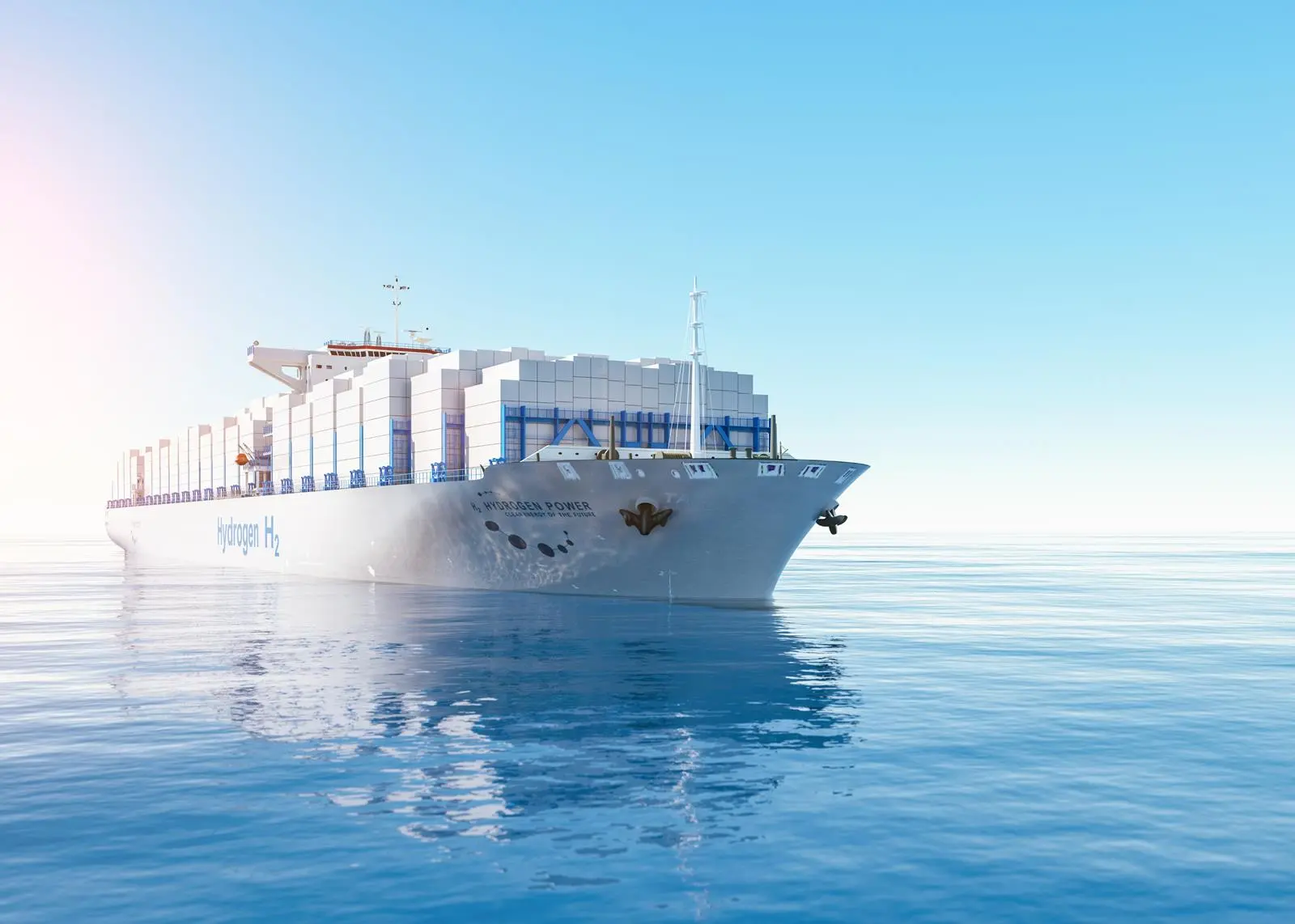
Bureau Veritas’ NR 547 outlines requirements on the design, construction and installation of fuel cells systems to ensure that the safety of the ship is maintained. The aim is to identify and mitigate risks to persons on board, the environment and the structural integrity of vessels. Fuel cell systems and ship design must limit the risk of explosions, the spread of toxic chemicals and fire outbreaks.
Among the requirements outlined by NR 547, maritime stakeholders developing and using fuel cells must carefully assess the risks associated with their design, from construction to installation and operation. Shipyards and equipment manufacturers have to meet specific safety requirements to earn certification for fuel cell systems. Once fuel cells are integrated onboard, ship operators must safeguard crew and ensure proper handling of fuel cell equipment. An extensive range of risk assessments are required for the fuel cell additional service feature to be granted. These assessments include a Hazard Identification (HAZID) study of fuel cell spaces, a Hazard and Operability analysis (HAZOP) study of the fuel cell power system, and a Failure Mode and Effect Critical Analysis (FMECA) of the fuel cell power installation (if used for essential services).
In addition to covering fuel cells using hydrogen, the new note rule addresses fuel cell technologies that are adapted to multiple alternative fuel types, each with their own risk profile. NR 547 is used in conjunction with several other rule notes to address other alternative fuels, including ammonia, methane, LPG, methanol and ethanol.
For practical purposes, NR547 is therefore to be combined with other Bureau Veritas rule notes, including NR 670 for methanol and ethanol, NR 529 for methane, NI 647 for LPG, and NR 671 for ammonia.
Laurent Leblanc, Senior Vice President Technical & Operations at Bureau Veritas Marine & Offshore, commented: ‘Our new rule responds to the latest advances in fuel cell technology, and incorporates information from the most recent industry-wide collaborations. For ship owners and operators taking the fuel cell route to sustainability, NR 547 lays the groundwork for operating safe, sustainable, and high-performance vessels.’
Related Articles
 BATTERIES, SUPERCAPACITORS, FUEL CELLS AND OTHER ENERGY STORAGE TECHNOLOGY
 BATTERIES, SUPERCAPACITORS, FUEL CELLS AND OTHER ENERGY STORAGE TECHNOLOGY
 BATTERIES, SUPERCAPACITORS, FUEL CELLS AND OTHER ENERGY STORAGE TECHNOLOGY