



Scrubber orders grow but trail projections
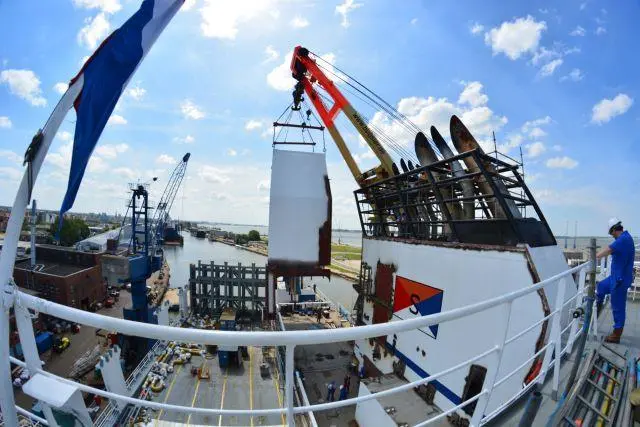
Orders to date mean that the installed base will more than double between 2017 (347 installations) and the end of 2019, before the IMO’s global sulphur cap enters force on 1 January 2020.
Even with continued exponential growth in the orderbook over the next two years, the number of vessels with scrubbers is likely to fall far below the 3,800 anticipated in the CE Delft fuel availability study commissioned by IMO and published in 2016 – or even fewer than the more conservative estimate of around 2,000 ships proposed by, among others, oil major Chevron.
Scrubbers will enable ships to continue burning high-sulphur fuel once the global cap is in force. A low number of scrubbers operational in 2020 will mean that refiners will sell less heavy fuel oil (HFO) into the marine market, with a converse relationship on demand for low-sulphur fuel oil, as well as potential implications for fuel availability.
However, the rapid growth in the orderbook over the past two years suggests that uptake will increase beyond 2020, said Stine Mundal, head of section, environmental certification, DNV GL.
She noted that bulk carriers and container vessels, 21% and 20% of the orderbook respectively, had overtaken the cruise segment (18%) as the ship types with the most orders for scrubbers. Previously, Carnival Line’s installation of around 80 Ecospray scrubbers, as well as the retrofitting of scrubbers on ferries predominantly sailing within SOx emission control areas, meant that these sectors were the biggest users of scrubbers.
In the previous orderbook analysis, more than half of all orders were for hybrid scrubbers – which can either collect treated water for disposal on land (‘closed loop’) or discharge it to the sea. In the latest report open-loop scrubbers are the most popular, which Mundal said indicated that owners believe ports will accept discharge to the sea.
Mundal also noted that many of the large scrubber suppliers were rapidly scaling up their scrubber production capabilities after receiving order volumes that strain current capacity. Wärtsilä commands a 37% of the scrubber orderbook as of 1 June, followed by Alfa Laval (21%), Yara Marine (16%) and Ecospray (8%).
The analysis, published on DNV GL’s LNGi information portal last Friday, comes at a critical time for discussions related to the global sulphur cap. In July, an IMO intersessional working group will convene to discuss enforcement and transition issues. Decisions will be taken at the next meeting of the IMO’s Marine Environment Protection Committee, in October. A ban on the carriage of high-sulphur fuel on ships without scrubbers will also be adopted at that meeting.
Related Articles
 EXHAUST GAS CLEANING SYSTEMS
 EXHAUST GAS CLEANING SYSTEMS
 EXHAUST GAS CLEANING SYSTEMS