



Scrubbers more eco than low-sulphur fuel

The report notes that CO2 emissions associated with producing and installing an EGC system are small compared to those generated when operating the system. The CO2 emissions are mainly related to the energy demand of the system’s pumps, which typically result in a total increase in CO2 emissions of between 1.5 and 3%.
By contrast, with de-sulphurised fuels the overall CO2 footprint increase is a result of the refining processes. Theoretical calculations range from an increase in CO2 emissions of 1% to as much as 25% when removing the sulphur content of the fuel.
The report states that while the lower figure is not in fact physically possible, the higher percentage increase is applicable only to a quality of fuel that is too high for marine applications. The conclusion, therefore, is that the CO2 emissions associated with the production of low-sulphur marine fuels will be between these extreme values.
“This study provides a comprehensive overview of the climate impacts of different options to reduce sulphur emissions. It shows that in many cases, the carbon footprint of using a scrubber is lower than low-sulphur fuels,” said Jasper Faber, project manager at CE Delft.
Related Articles
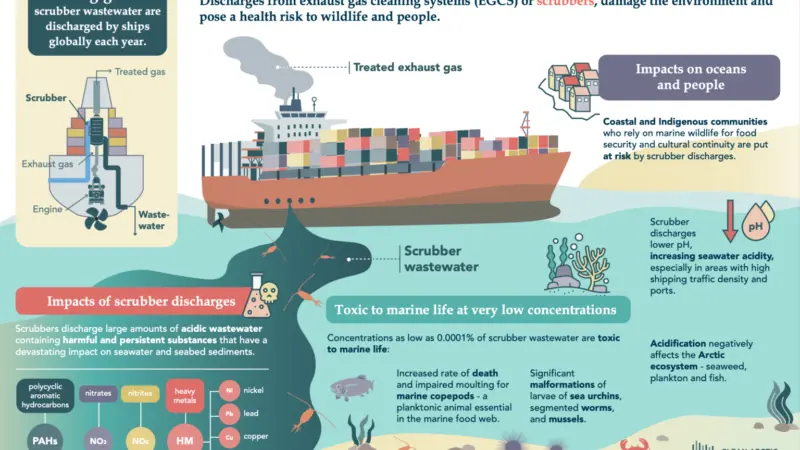 EXHAUST GAS CLEANING SYSTEMS
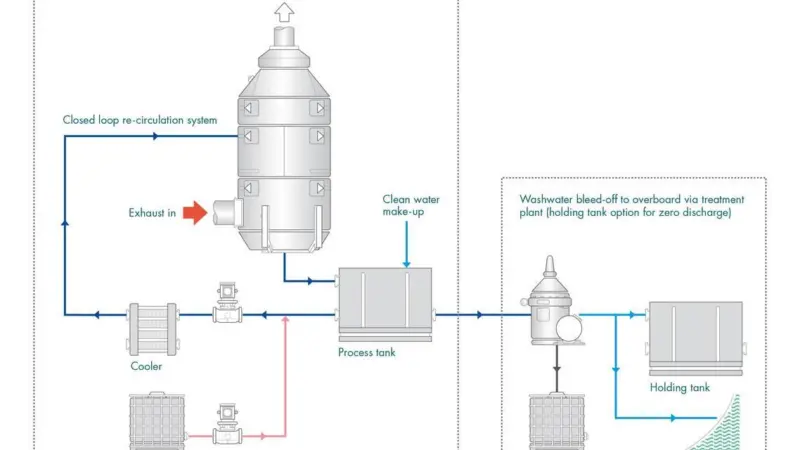 EXHAUST GAS CLEANING SYSTEMS
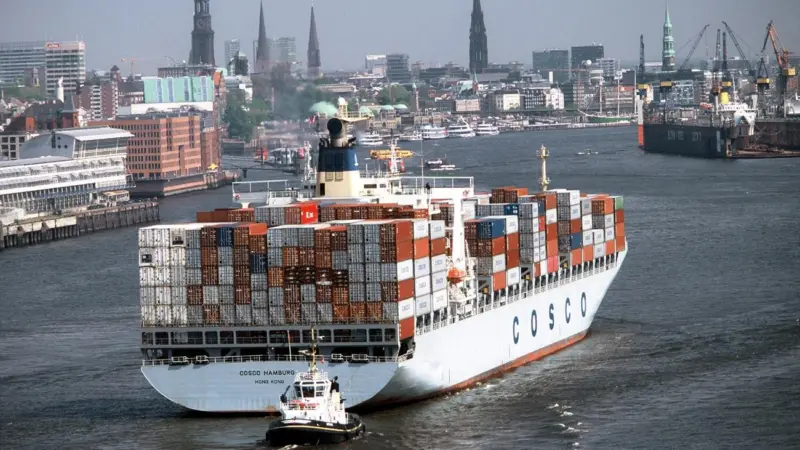 EXHAUST GAS CLEANING SYSTEMS