



UK electric offshore vessel scheme takes shape
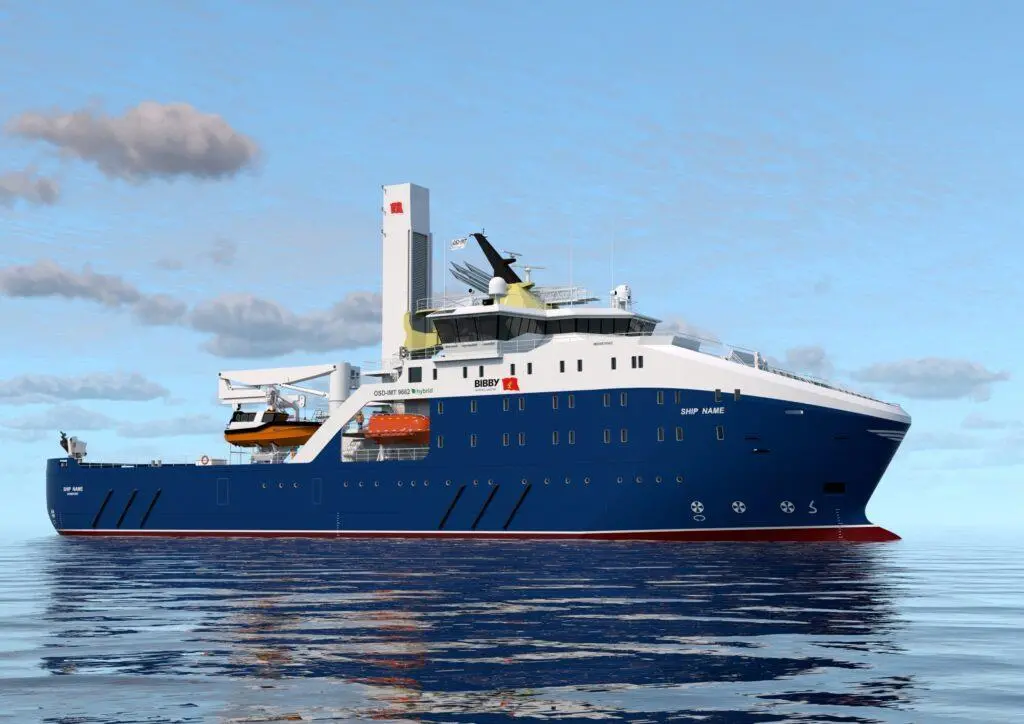
Due to be completed in 2026 for deployment in the UK and European renewable energy market, the ship is expected to operate fully on electric power, albeit with methanol dual-fuel engine-driven generators for back-up. The vessel will thereby mark a milestone for the sector in terms of delivering ultra-low emission support to construction, operations and maintenance in the offshore wind industry.
Although a newbuild contract has yet to be announced, the vessel project has qualified for £20m($25.4m) in UK government funding under the Zero Emission Vessel and Infrastructure(ZEVI) competition. The goal of the ZEVI initiative is to help accelerate UK development of clean maritime solutions, and especially as regards battery-electric vessels and charging facilities.
Longitude Engineering in the UK, part of the Oslo-listed ABL Group, had provided the eSOV concept on behalf of the project partners, and is now developing the design to Approval in Principle(AiP) level for verification of the energy storage system and methanol system philosophy. The company’s remit also embraces other spheres of design work and assisting the clients in the area of shipyard pricing.
The newbuild will be based on Longitude Engineering’s OSD-IMT9605 type, reflecting the company’s strengthened expertise and portfolio since the 2021 acquisition of the ship design bureau OSD-IMT of Dundee, Scotland. The engineering highlight of the electric vessel type and specification is a hybrid 20MWh battery system, complemented by methanol dual-fuel gensets to provide both power back-up and also offshore charging for the energy storage system.
Dean Goves, maritime design director at Longitude Engineering in Southampton, said “Whilst development of our renewable energy infrastructure increases, decarbonising the wider project value chain is also of critical importance to further move the dial in our race to net zero. Studies have been conducted to explore the carbon footprint of marine operations in offshore wind construction. This project is the next step—engineering a solution. It has the opportunity to set the tone for future enhanced decarbonisation of vessels involved in offshore operations.”
Bibby Marine CEO Nigel Quinn stated “As we announced back in September, we are building the world’s first eSOV. This project is the natural progression of our decarbonisation journey, as we aim to operate a low- or no-carbon emission vessel by 2026. Designed in the UK, the vessel will be a game-changer for our industry………Longitude’s expertise in specialised vessel design is vital to us realising our net-zero goals and getting our eSOV into the water.”
Longitude will assign a multi-disciplined team to work on the project, including naval architects, master mariners, electrical engineers, specialists in methanol and energy storage solutions, structural engineering, hydrodynamics and marine engineering.
As well as Liverpool-based Bibby Marine, the consortium behind the eSOV is made up of the Port of Aberdeen, innovation centre Offshore Renewable Energy (ORE) Catapult, the Kongsberg Group, DNV, Shell and Liverpool John Moores University.
Last year, Bibby Marine entered into a collaboration with the Swedish company Echandia, a leader in heavy-duty, marine lithium-ion battery systems, to help drive forward the ‘clean’ vessel scheme. The UK company and its project partners subsequently called for expressions of interest from the DT Hub community to help with digital twinning and AI (artificial intelligence) technologies in relation to work on the eSOV programme.
Related Articles
 ELECTRIFICATION AND BATTERY HYBRIDS
 ELECTRIFICATION AND BATTERY HYBRIDS
 ELECTRIFICATION AND BATTERY HYBRIDS