Upgraded fire protection allows historic ferry to keep sailing
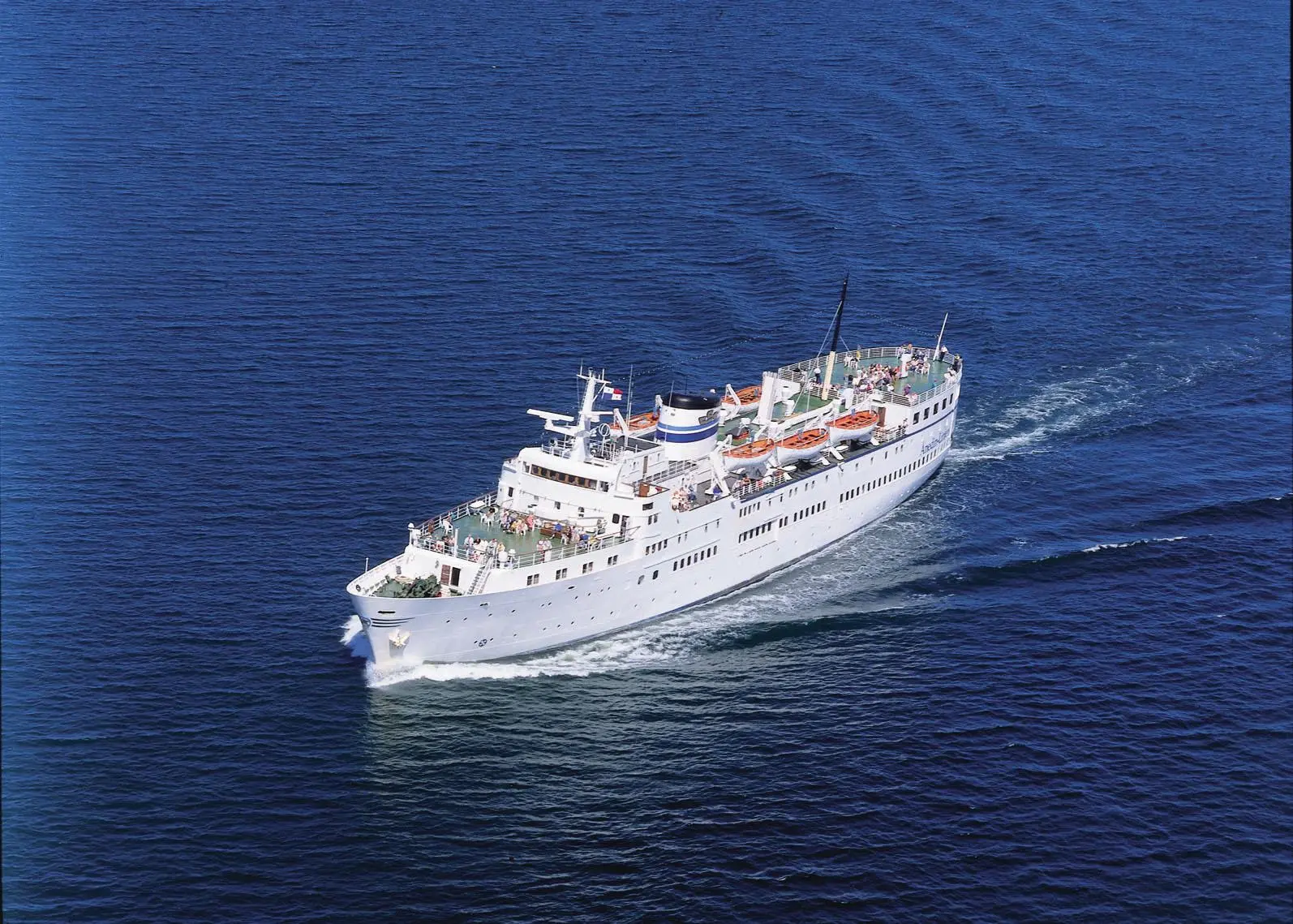
The 1953-built Birger Jarl operates the Stockholm-Åland route, for Ånedin-Linjen/Rederi Allandia, carrying about 350 passengers. The traditional interior of the ship is of historic interest and considerable character, but also means she does not meet the current IMO fire safety requirements that came into force in October 2010. As the potential cost of replacing the existing wooden interiors by approved materials was regarded as not being economically justifiable, the entire service was threatened with closure. However, a fire and risk analysis carried out by SP Fire Technology showed that it would be possible to provide alternative fire protection that would give equivalent fire safety, but a considerably lower cost than that of total interior conversion. The plans were approved by Sweden’s National Transport Board, and following the necessary work in dock during autumn 2011, the Birger Jarl is now back in service, thus saving the shipping line from the threat of closure. Temporary protection measures, such as additional fire wardens, enabled the ferry to stay in service until the works were carried out.
SP Fire Technology explains that under SOLAS Regulation 17 – Alternative Design and arrangements – minor departures from the regulatory requirements can be accommodated. SP’s analysis embraced the entire ship, and is therefore one of the more complex applications of the rule that have hitherto been employed. Prescriptive regulations can sometimes constitute an obstacle to the economic and ecological competitiveness of shipping with other forms of transport.
Although Regulation 17 opens the way to alternative designs and arrangements for fire safety, it is also necessary for the approval authorities to be able to assess whether fire and risk analyses have been carried out in accordance with the regulations. Conceptually, there is a substantial difference between assessing the performance of a design prepared in accordance with detailed prescription regulations and one prepared on the basis of calculated risk estimates.
In Sweden, the national authority has provided positive support for ship owners to exploit the new rule, through active participation in research projects concentrating on applications for Regulation 17. This experience was a prerequisite for the successful work on Birger Jarl.