VDR calls for support on decarbonisation
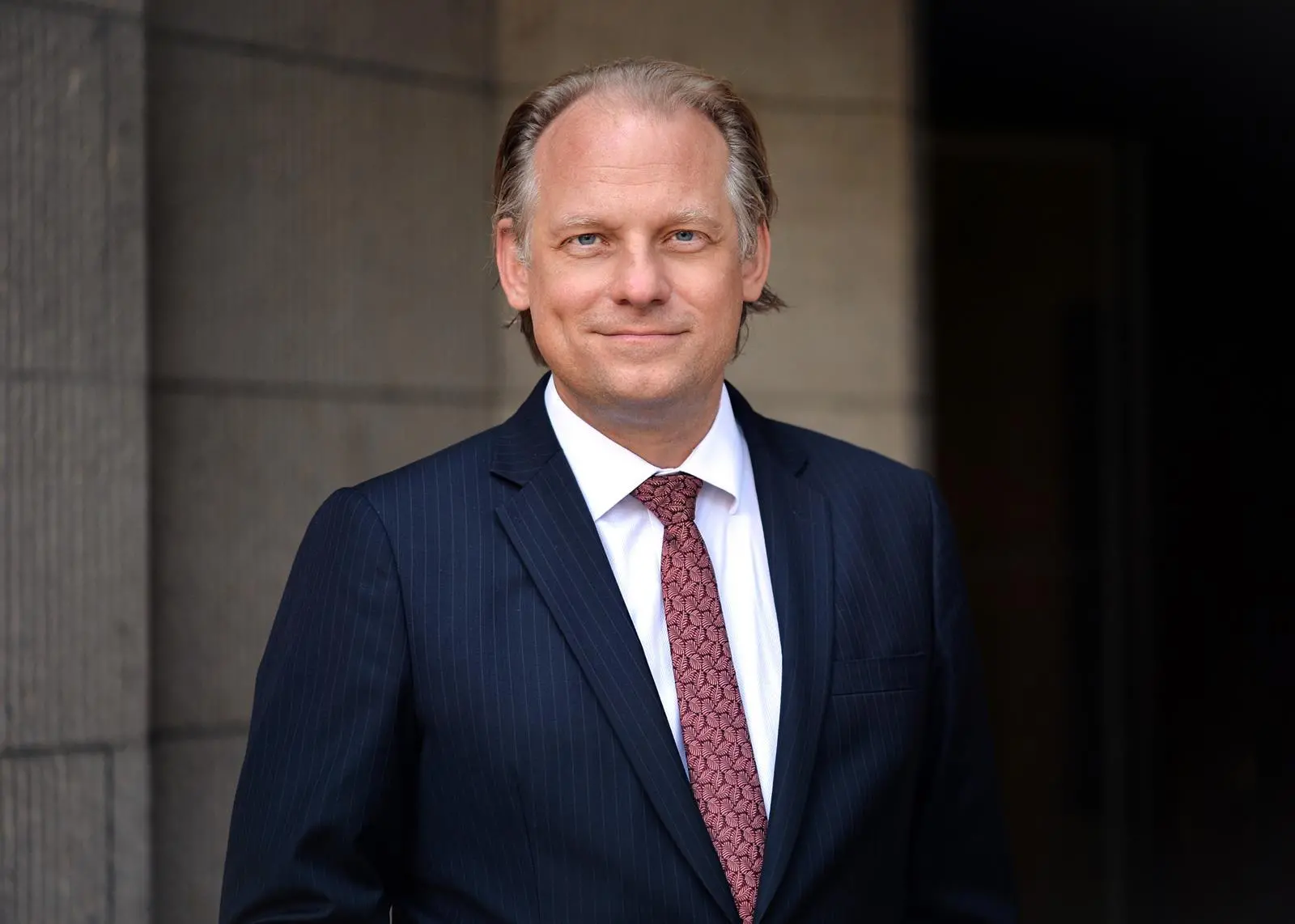
President Gaby Bornheim said that last autumn, the International Chamber of Shipping (ICS), with the backing of the VDR, sent a clear signal that the industry aims to be climate-neutral at the global level by 2050. “This means that we, as an industry, are much more ambitious than the community of states in the IMO. The initiative is as smart as it is bold. We are thereby sending out a signal that everyone is now being called on to join us – be it policymakers, the fuel suppliers, engine manufacturers, researchers or ports. We need a concerted effort.”
Managing Director Martin Kröger also commented on the need for a revolution in fuels, saying: “Which climate-friendly fuel will soon be powering sea-going vessels is still an open question. The engines that could make shipping carbon-neutral in parts already exist today – the main thing missing is the right fuel. That is why we will still need LNG for now. However, these engines can later be converted to ‘green gas’ without much effort.”
Latest figures from the VDR show that Germany is currently the world’s sixth-largest shipping nation, with a 3.8% share of the global merchant fleet (down by 0.7% year-on-year). Germany continues to operate the world’s second-largest fleet of container ships after China. At the end of 2021, a total of 1,917 ships with a combined gross tonnage of 46.1 million were registered in German shipping registers, or 84 fewer vessels than the year before.
A large proportion (more than 45%) of the ships in the German fleet now fly the flag of an EU country, especially the flags of Portugal, Cyprus and Malta. The number of ships sailing under German flag currently stands at 275. Owing to the decrease in the size of the German merchant fleet, the number of seafarers subject to social insurance contributions in Germany has also recently seen a slight decline, to 6,927, while the number of sea apprentices newly coming on board saw a marginal decrease in 2021, to 355, as a result of the pandemic.