Wärtsilä and Chevron partner to reduce methane slip
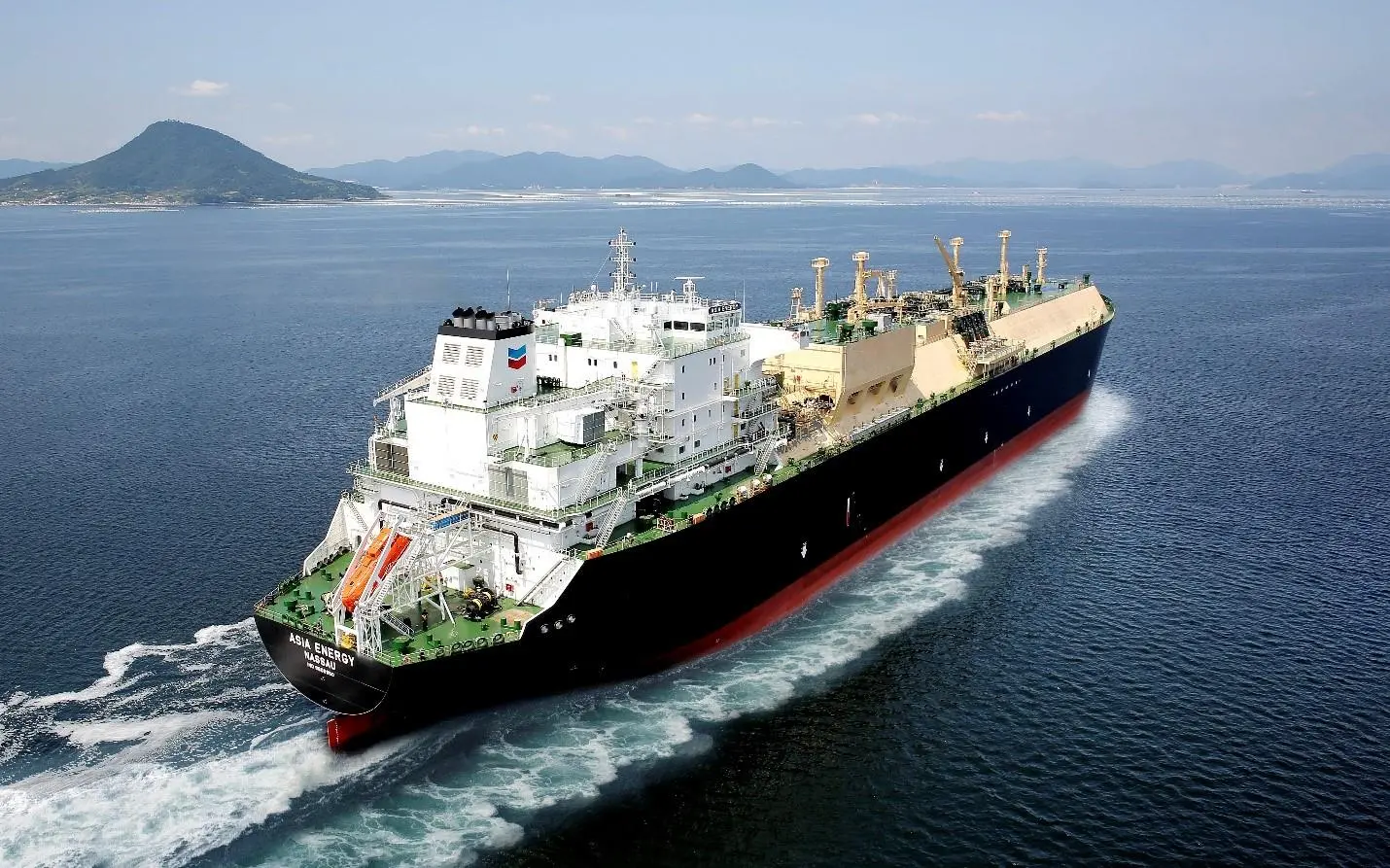
This initiative aims to reduce greenhouse gas emissions by lowering methane slip, aligning with Chevron’s broader strategy to cut the carbon intensity of its fleet. The first orders for two vessels were placed with Wärtsilä in Q3 2024, following two years of close collaboration between the companies.
LNG as a marine fuel can result in methane slip, where small amounts of methane escape unburned into the atmosphere. Though methane remains in the atmosphere for a shorter period compared to CO₂, it has a significantly higher heat-trapping potential—up to 30 times greater over a 100-year timeframe. Addressing methane slip is critical to achieving lower carbon emissions in shipping. Wärtsilä’s DF-to-SG conversion project will modify engines to use spark ignition instead of a diesel pilot fuel, enabling a more efficient combustion process and reducing methane slip.
“Chevron Shipping is committed to lowering methane emissions from our LNG fleet as part of our efforts to support a lower carbon future,” said Barbara Pickering, president of Chevron Shipping. “We are excited to collaborate with Wärtsilä on this groundbreaking project, which demonstrates our commitment to reducing the carbon intensity of marine transportation.”
Roger Holm, president of Wärtsilä Marine and executive vice president of Wärtsilä Corporation, added: “This innovative conversion marks a significant step in advancing lower-carbon fleets. Wärtsilä has a strong track record of reducing methane slip, not only with newbuilds but also by retrofitting existing engines.”
Wärtsilä’s conversion technology is part of the company’s broader portfolio of solutions aimed at tackling methane emissions from vessels.