Wide industry coalition to promote LNG uptake
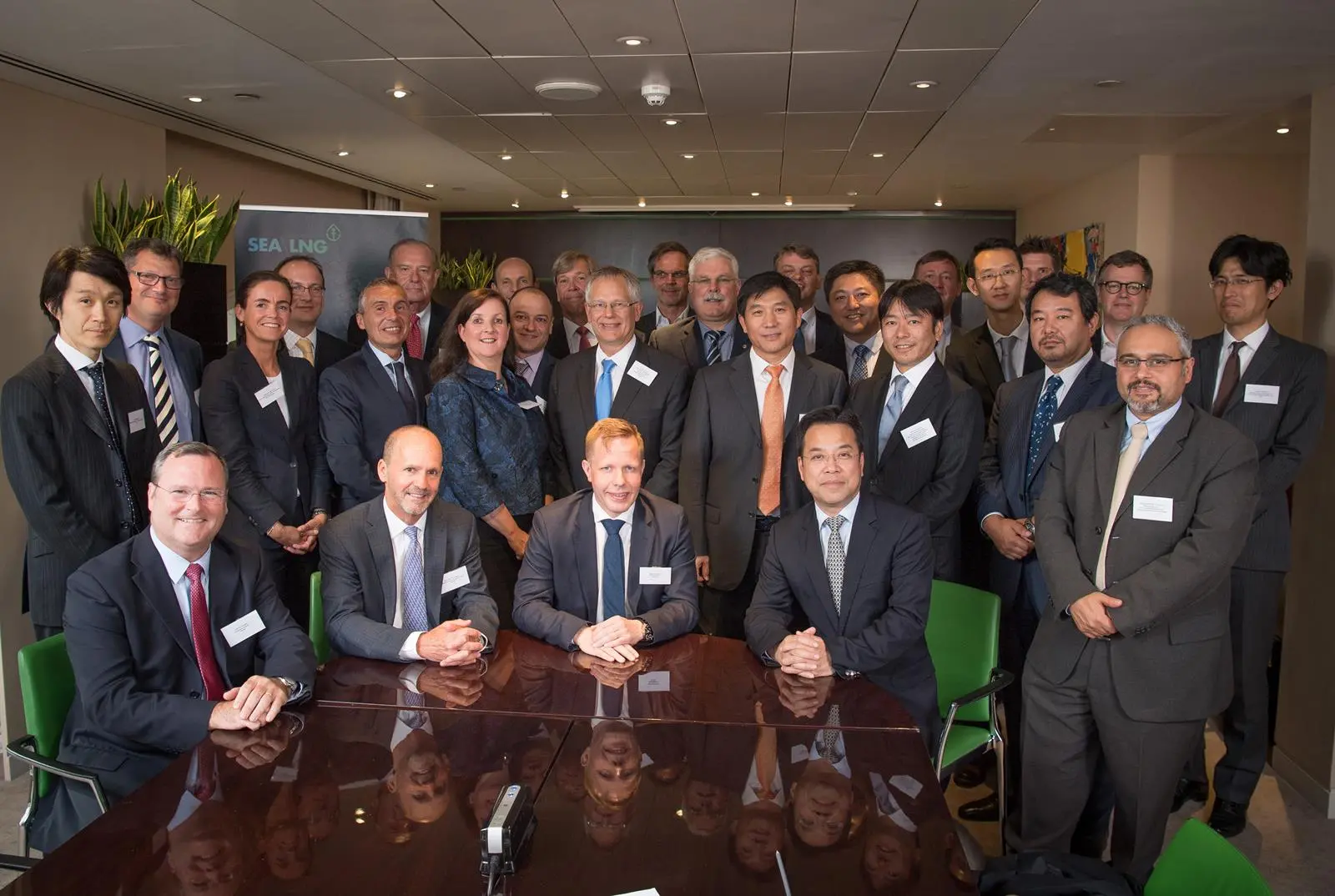
Under the SEA/LNG initiative members – Carnival Corporation, DNV-GL, ENGIE, ENN Group, GE Marine, GTT, Lloyd’s Register, Mitsubishi, NYK Line, Port of Rotterdam, Qatargas, Shell Downstream, Tote and Wärtsilä – will commit mutually agreed human resources, data analysis, and knowledge sharing in support of initiatives to accelerate the widespread adoption of LNG.
Main areas of focus for the coalition include supporting the development of LNG bunkering in major ports, educating stakeholders as to the risks and opportunities in the use of LNG fuel, and developing globally consistent regulations for cleaner shipping fuels. LNG offers significant environmental advantages over heavy fuel oil – including reduced SOx, NOx and particulate emissions – and is compliant with current and anticipated future regulations. But LNG infrastructure is needed in ports to enable quick, safe and cost-effective bunkering, and LNG-fuelled vessels remain expensive to build and retrofit. Lack of globally consistent regulation is also a potential barrier.
Peter Keller, chairman of SEA\LNG and executive vice president of TOTE Inc, said: “We recognise the need to work closely with key players across the value chain to ensure an understanding of the environmental and performance benefits of LNG as a marine transport fuel. SEA\LNG aims to address market barriers and help transform the use of LNG as a marine fuel into a global reality.”
Philip Olivier, CEO of ENGIE Global LNG, added: “Everybody is calling for alternatives to reduce environmental impacts. That’s why we have joined forces to actively promote LNG as a key fuel in maritime transport. LNG has the potential to take a 10% market share of global bunker demand by 2030. ENGIE will contribute to achieving this target.”
Lauran Wetemans, general manager downstream LNG, noted that SEA/LNG’s initiatives would complement the work being done by other organisations, including the Society for Gas as a Marine Fuel (SGMF).
LNG-fuelled shipping has until now been concentrated in specialist ship sectors including short sea shipping and ferries, mainly sailing between two fixed ports, observed Leo Karistios, gas technology lead, Lloyd’s Register. “We want to help drive the expansion of LNG as a marine fuel of choice, with not just more short sea and local ships burning gas, but also the deep sea trades,” he said.