



WinGD to deliver first hybrid integration for wind-assisted tankers
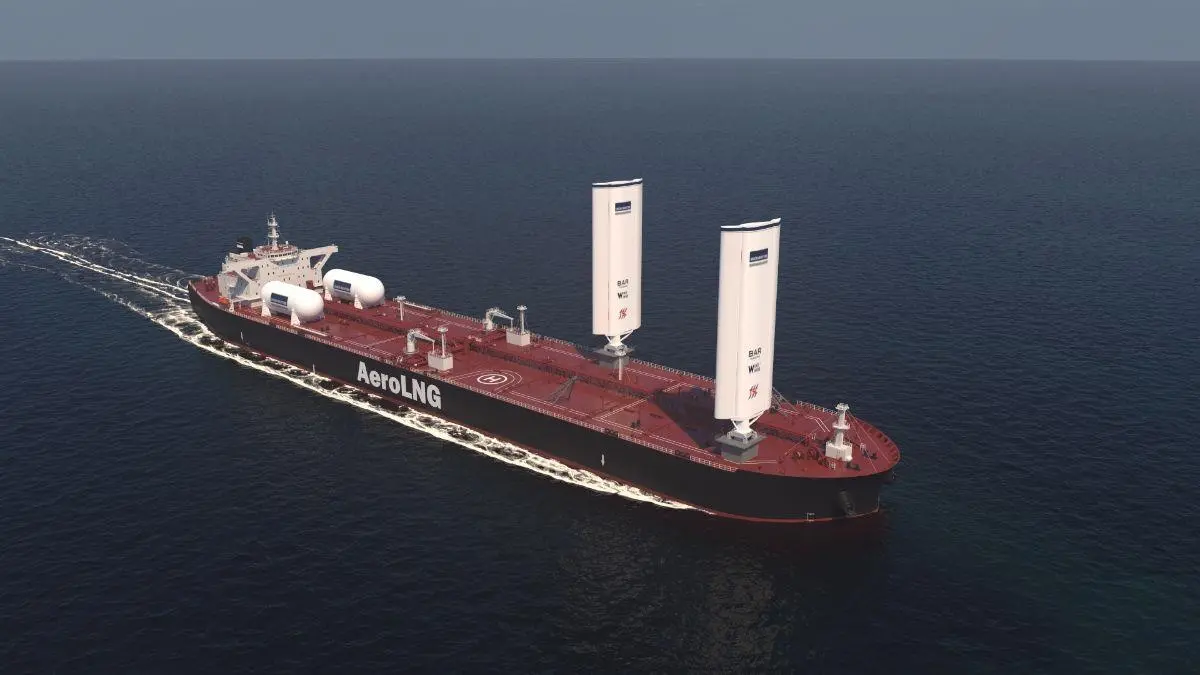
The 113,600 DWT vessels are being built by Xiamen Shipbuilding Industry Co. and will feature a hybrid configuration incorporating shaft generators and WinGD’s X-EL energy management system. This setup will enable the optimised distribution of electrical power from the main engine, shaft generator operating in power-take-out mode, and the wind propulsion system, providing efficient energy usage across all operational conditions and extended ranges.
This project also represents a first for WinGD in applying its integrated energy systems to vessels not powered by its own main engines. The company will leverage its experience in integrating and controlling two-stroke hybrid energy systems to deliver reliable and efficient operations, even in the variable conditions associated with wind-assisted propulsion.
“To maximise the energy savings from wind-assisted propulsion, operators need an energy management system that can optimise engine and electrical power in response to the available wind power,” said Stefan Goranov, head of integrated Energy Solutions at WinGD. “Our expertise in system integration and control of two-stroke-based hybrid energy systems enable us to optimise the efficiency and reliability of operations of a vessel with wind-assisted propulsion. UML’s new vessels will be a showcase for the efficiencies that can be achieved through holistic energy management based around the main engine.”
Union Maritime Limited’s head of technical, Bhuvnesh Dogra, commented: “Our ambition is to build the most energy efficient vessels on the market and we believe wind-assisted propulsion is a key element in achieving that. So too is effective energy management across the vessel. WinGD’s X-EL solution, managing overall energy use while using the fuel-efficient main engine to generate auxiliary electrical power, will be an important contributor to the efficiency of these vessels.”
WinGD’s X-EL Integrated Energy Solutions have been in service since 2022. By using the power margin of the main engine rather than relying on auxiliary generators for electricity production, the system offers improved fuel efficiency and enhanced flexibility in onboard power management. The company’s deep expertise in two-stroke engines allows for the optimisation of power generation, while its advanced digital capabilities support initial configuration, control strategy design and continuous in-service performance improvement.
WinGD X-EL Energy Management can tailor integrated energy systems for any vessel powered by any make of engine. Configurations can include energy storage such as batteries and fuel cells as well as other energy resources including wind-assisted propulsion. To hear more about vessels combining wind power with other propulsion systems join us for Propulsion and Future Fuels Event in Hamburg during November.
Related Articles
 NEWS
NEWS
 ALTERNATIVE FUELS & LUBRICANTS
 ALTERNATIVE FUELS & LUBRICANTS