



Optimarin completes revised G8 BWT test programme

The testing procedures were conducted at the NIVA test facility in Norway from September 2019 to the end of June 2020, with DNV GL operating as the designated Independent Laboratory.
Optimarin notes that 36 tests were run for three salinity conditions (fresh, brackish and marine water), with zero interruption or mechanical issues recorded. DNV GL is now undertaking final evaluation and documentation of the tests ahead of full regulatory application and completion.
While undergoing the tests for compliance with the IMO’s Resolution MEPC.300(72) for the Approval of Ballast Water Management Systems (BWMS Code), Optimarin also upgraded its existing US Coast Guard (USCG) approval certificates to ensure compliance for zero to two hours holding time.
Optimarin notes that the tests were conducted with two different filters simultaneously, providing greater flexibility for operational parameters.
“We’ve built a reputation as a true specialist, with reliable, easy to install and operate technology that also has the highest specifications with regard to quality and compliance,” stated CEO Leiv Kallestad. “We understand our customers’ needs and are committed to providing them with technology that, in short, makes their life a little simpler – allowing them to focus on core operations safe in the knowledge they have a BWT system, and support, they can rely on.”
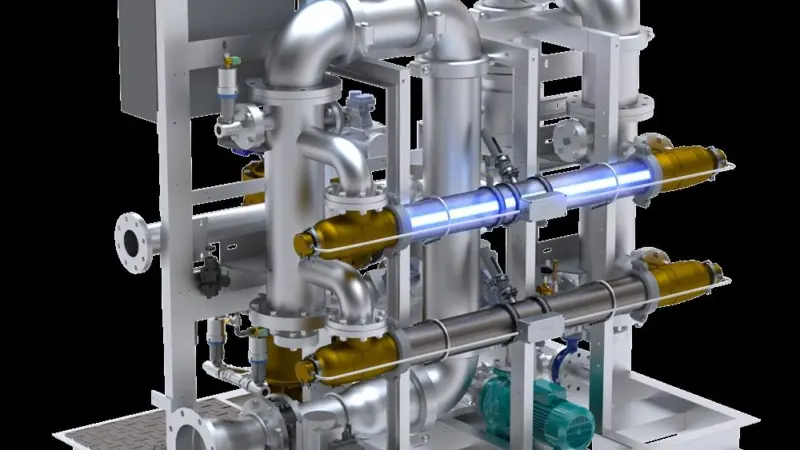
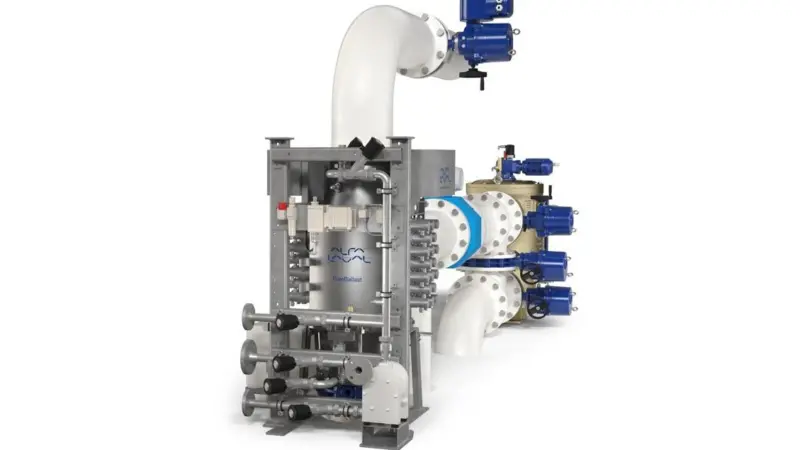
The OBS system has already obtained certification from a comprehensive range of classification organisations, including ABS, BV, DNV GL, LR, CCS & MLIT Japan.
Optimarin has now sold around 1000 of its UV-based systems, with more than 650 installed and operational, of which approximately 40% are retrofits. Customers include names such as Royal Caribbean International, Fednav, GulfMark, Hapag Lloyd, Matson Navigation, McDermott, the Danish Navy, MOL, Seatruck, and Technip, amongst others.
In other news, Optimarin notes that the COVID-19 pandemic failed to have significant impact on the organisation, with several new fleet agreements signed and “business as usual” for its delivery and service functions.
Related Articles
 BALLAST WATER MANAGEMENT
 BALLAST WATER MANAGEMENT
 BALLAST WATER MANAGEMENT