



US Coast Guard to further evaluate MPN method
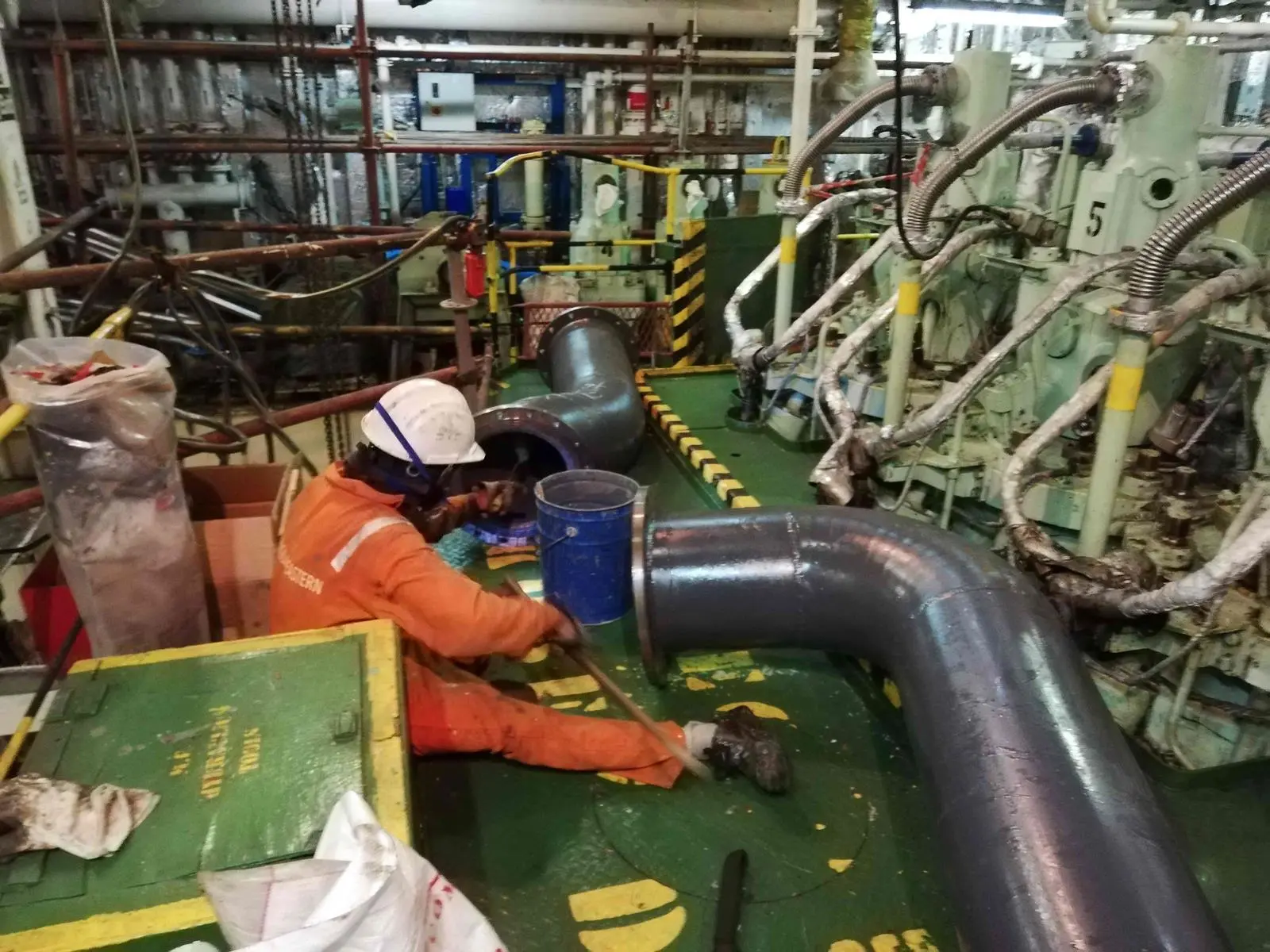
On 24 March, the US Coast Guard (USCG) published its Final Policy Letter Describing Type-Approval Testing Methods for Ballast Water Management Systems (BWMS) That Render Organisms Nonviable in Ballast Water.
At this time, the USCG does not accept any type-approval testing methods for BWMS that render organisms in ballast water nonviable. Rather it has required testing facilities to use staining methods which require organisms to be effectively dead to check if the water treated by the BWMS manages to meet the D-2 standard or the US Ballast Water Discharge Standard.
However, in consideration of public comments on the draft policy letter, the final policy letter establishes a mechanism for reviewing and integrating viability testing methods into the existing Coast Guard type-approval testing program.
The Letter does not describe type-approval testing methods. Rather, it establishes the categories of information the USCG deems necessary for their evaluation on the basis of best available science and describes implementation of any accepted methods. The USCG says it will consider methods that use organism grow-out and most probable number (MPN) statistical analysis to determine the concentration of organisms in ballast water that are capable of reproduction.
The conclusion is still the same, says Jad Mouawad, industry expert and CEO of Mouawad Consulting. The USCG will not accept MPN until further submissions are made. “A number of test facilities are preparing submissions to the USCG to approve their MPN methods. Given the fact that the retrofit market is hitting its peak these days and will remain so for the next two to three years, it is unlikely that UV-based BWMS will re-test to the potentially new approved MPN techniques.”
Mouawad says that is because the cost is too high, and most systems operate well with IMO and USCG modes. USCG modes typically involve more intense UV treatment to kill organisms rather than render them nonviable. This mode can result in slower processing and increased power usage.
MPN is a very well-established method that is accepted by the IMO as one of the methods valid for evaluation of efficacy of BWMS during type approval testing and later during installation controls, says Mouawad. For several years, an expert group from around the globe worked under the umbrella of the US EPA (including the USCG), to evaluate the MPN as an acceptable method under the currently used ETV Protocol. The years long work and comparative testing in the foremost testing facilities in the world, led to a comprehensive dossier submitted to the EPA and the USCG, in support of using the MPN during evaluation of efficacy of BWMS.
Added to that, he says, peer reviewed articles, in the hundreds, on the MPN method date back decades and prominent professors in marine biology (American and others) have published multiple articles on the subject in recent years. “If all this is not good enough, what is good enough?”
Many questions remain unanswered, Mouawad says: “Can existing data with IMO MPN techniques be accepted by the USCG? Will we see upgrades and changes to software to meet the new standards? Can the EEXI and other carbon cap regulations be a driver to move away from USCG modes since they require much more power? Finally, is the market big enough to invest in new solutions if those viability (mostly MPN) techniques are approved by the USCG?”
The Final Policy Letter is available here.
Related Articles
 BALLAST WATER MANAGEMENT
 BALLAST WATER MANAGEMENT
 BALLAST WATER MANAGEMENT