



DESMI completes landbased BWTS testing
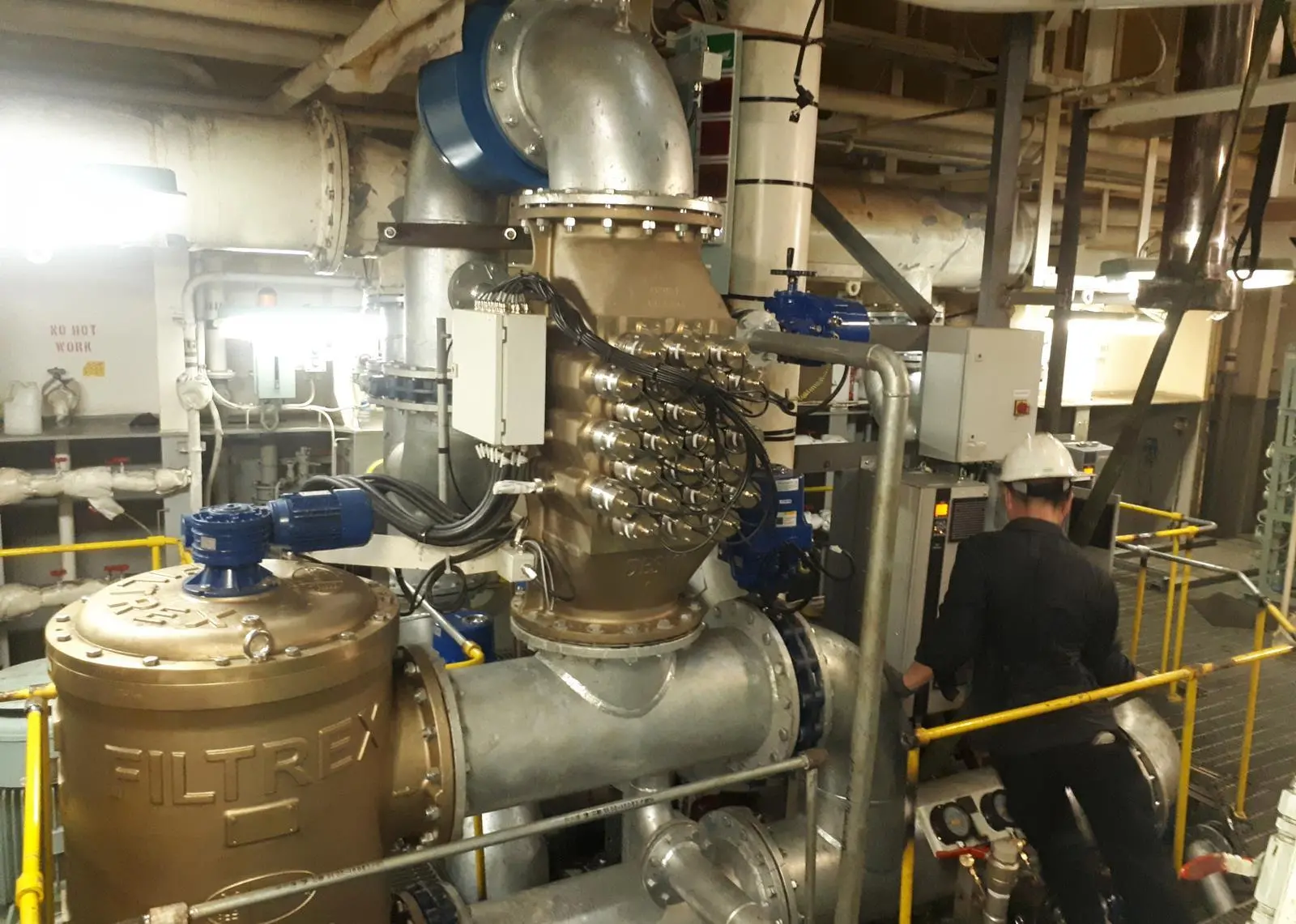
The testing was performed in accordance with both IMO and US Coast Guard requirements and paves the way for issue of both IMO and USCG type approval certificates later this year.
“We are especially pleased that no less than seven landbased tests performed in different salinities and at various levels of UV-transmission of the water have been successfully completed with the shortest holding time allowed for landbased testing. This means that there is no required minimum holding time for the CompactClean system,” said Rasmus Folsø, CEO of DESMI Ocean Guard.
“Requirement for minimum holding times for type approved BWMSs is one of the main issues that ship operators are facing within ballast water treatment today and we are happy to be able to provide a solution with our CompactClean system.”
Significant achievement
Mr Folsø said it’s a significant achievement that the CompactClean system does not need a special US operation mode to meet the USCG requirements in US territory.
With just one operation mode used globally, there is no to know the de-ballast location at the time of ballast uptake.
Likewise, he said, there are no issues related to mixing IMO and USCG treated ballast water when water is treated in one mode during ballast operation, but then pumped to a tank with remains of water treated in another mode.
Mixing of ballast water treated in different modes is also a concern when water is moved internally from tank to tank during a voyage to compensate for consumed fuel. All these issues can represent serious complications for ship owners.
The CompactClean BWMS is currently undergoing type approval testing according to both IMO and USCG requirements, under the surveillance of Lloyd’s Register.
All landbased tests have been completed and the final shipboard test and the environmental tests are planned to be completed in May, paving the way for issue of IMO and USCG type approval certificates sometime around June 2018.
Related Articles
 BALLAST WATER MANAGEMENT
 BALLAST WATER MANAGEMENT
 BALLAST WATER MANAGEMENT