



Optimarin to bring IIOT digital functionality to BWTS market
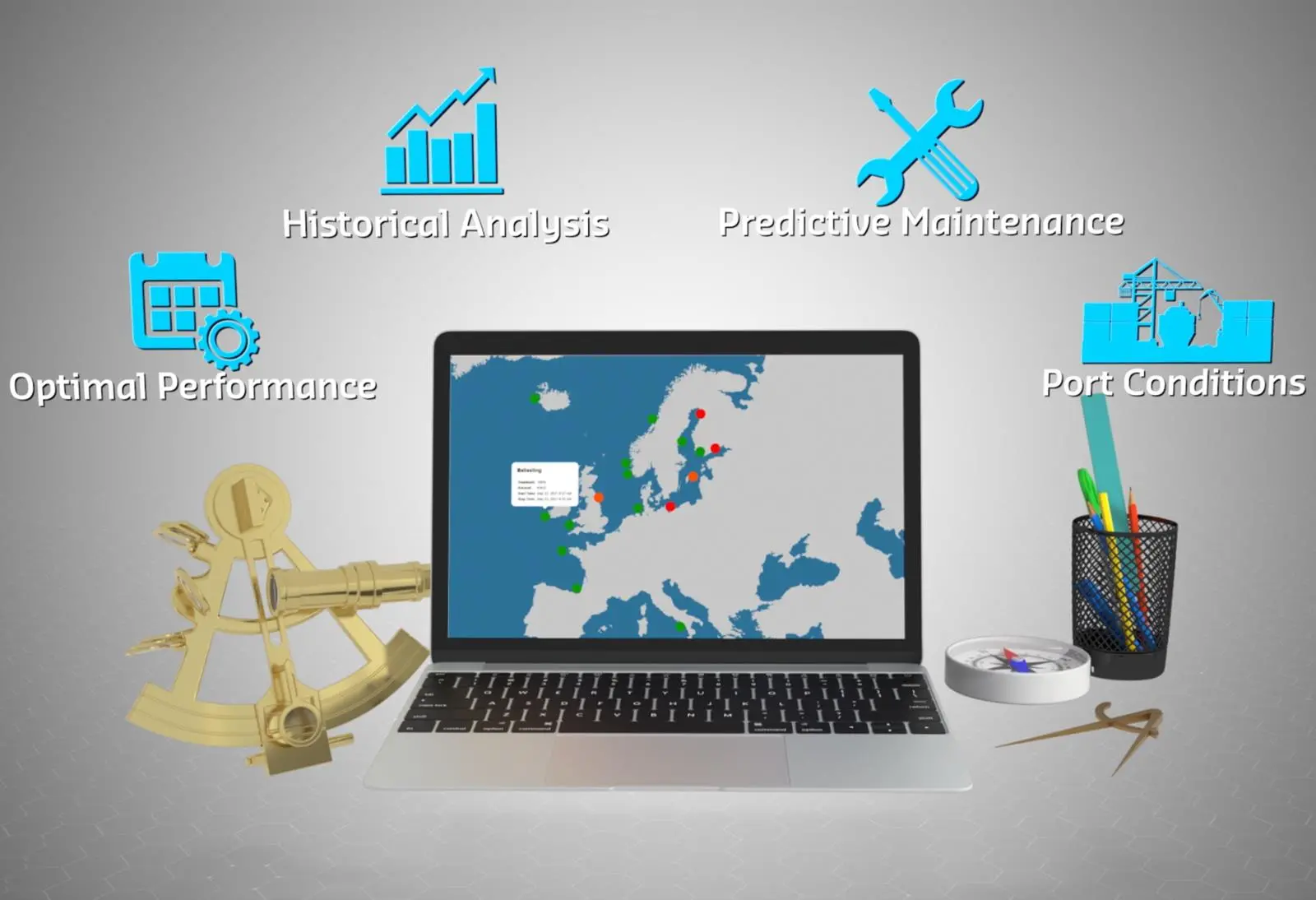
The solution is understood to be the first of its kind for the BWTS market. It will allow the crew aboard a vessel to access key performance indicators for the BWTS online, including water quality and system functionality, through a user-friendly visual interface featuring data transmitted from the ballast water control system.
For the shipowner, OptiLink will also give the ship operator the big picture by providing a fleet-wide overview of ballast water KPIs for each vessel and fleet.
This enables interactive remote support with online software updates for troubleshooting to reduce the need for physical service work on the BWTS, resulting in cost and time savings.
In addition, continuous condition monitoring of the BWTS allows for proactive maintenance to ensure efficient operation of the system by alerting the crew to possible equipment malfunctions.
Another potentially interesting aspect of the system was that the data infrastructure was sufficiently flexible that it could also draw in data from other BWTS solutions to offer the fleet management office a unified view of a fleet’s solutions.
Big data and water quality
OptiLink can analyse big data both with respect to system performance and water quality at geographical locations where ballast water operations are ongoing.
This is expected to permit better route planning for operators to ensure that ballast water is compliant upon arrival, allowing contingency measures to be taken when vessels ballast in challenging ports.
Leiv Kallestad, chief executive of Norwegian ballast water treatment specialist Optimarin explained that by adopting a system approach to BWTS management “the BWTS can be managed proactively in support of reduced downtime and reduced fuel consumption, with less hassle as control over the transfer of ballast water in and out of the vessel improves greatly.”
In turn, this was expected to offer significant economic benefits, such as fuel cost savings, optimised voyage planning and reduced port turnaround times, for fleet operators.
Regulatory compliance
Another major benefit is that compliance data from the BWTS can be transmitted directly to statutory authorities, which can then provide guidance on corrective action in case of contamination so that a certificate of compliance can be obtained.
This certification can then be communicated to the relevant port authority so that port turnarounds are shortened as the need for lab testing of water quality and onboard inspections is effectively eliminated. Kallested noted that he fully expected regulatory compliance to include digital scrutiny of activation histories at a certain point in the future.
First orders
The solution has been successfully trialled aboard Bergen shipowner Utkilen AS’s chemical/product tanker Latana for an extended period. Utkilen has opted to install the OptiLink service aboard five of its vessels equipped with Optimarin systems, Kallested concluded.
Related Articles
 BALLAST WATER MANAGEMENT
 BALLAST WATER MANAGEMENT
 BALLAST WATER MANAGEMENT